Hydraulic Stud Tensioners
Hydraulic stud tensioning for the most critical bolted joints in your facility. Spring return hydraulic stud tensioners for heat exchangers, reactors, turbines, and pressure vessels.
Precision Stud Tensioning for Critical Joints
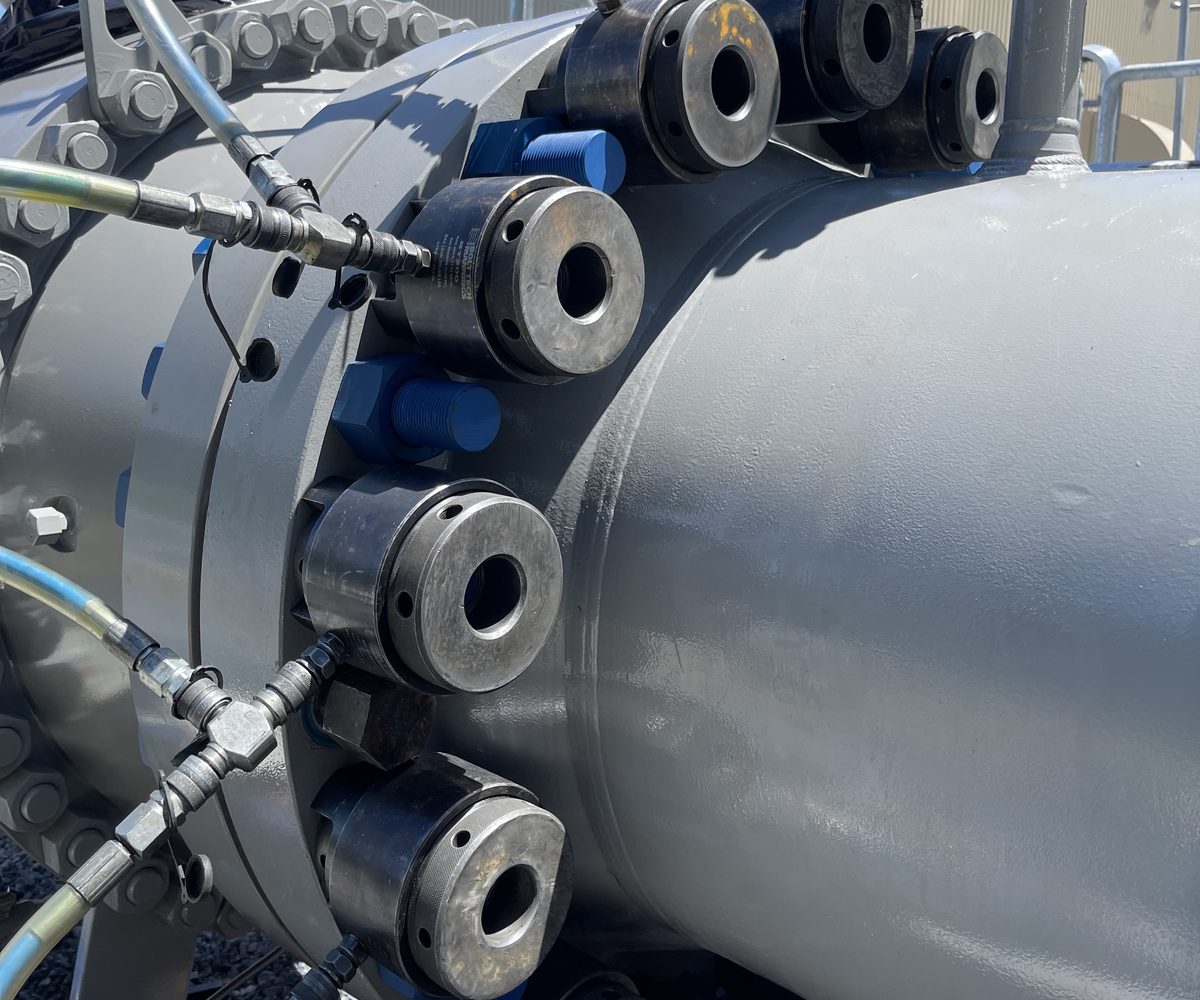
When torque wrenching isn’t enough, stud tensioning is the answer. Hydraulic stud tensioners apply pure axial tension directly to the bolt — eliminating the friction variables that make torque-based methods less accurate. The result is uniform bolt load across every stud in the joint, which is essential for leak-free performance on high-pressure, high-temperature equipment.
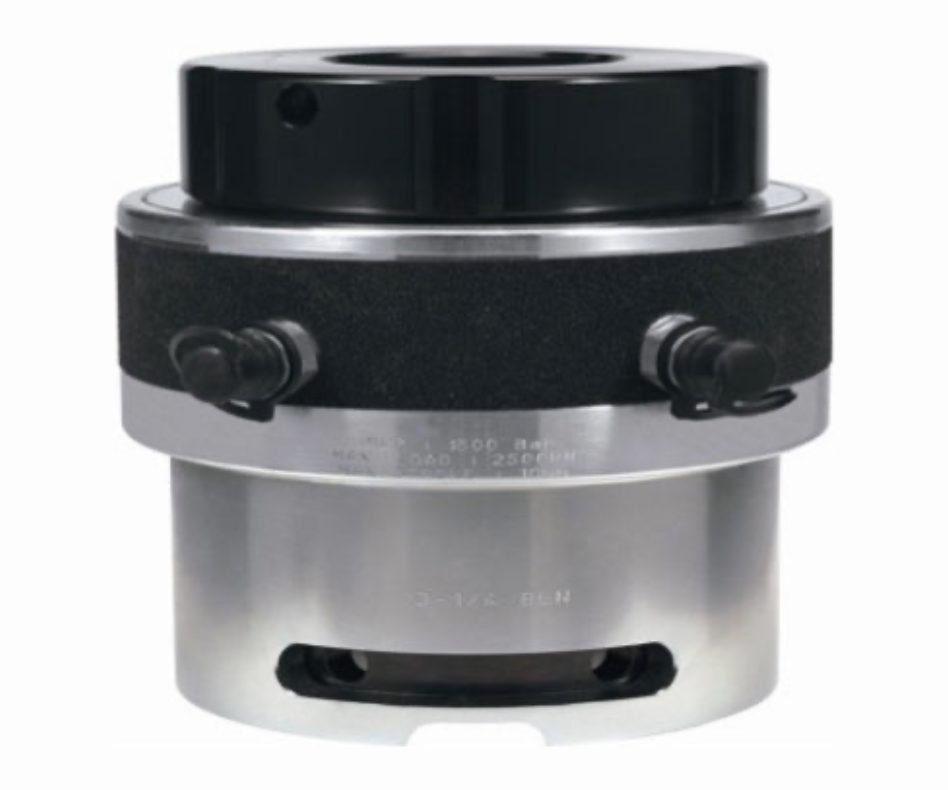
Our SRT Spring Return Hydraulic Stud Tensioners are the quickest and most efficient stud tensioners available. They include a spring return load cell to expedite ram retraction, are lighter in weight, and offer a host of safety and fail-safe features such as a safety relief valve to eliminate over-stroking the ram and having to change the seal.
We offer both the sale and rental of the full tensioner line, with bolt coverage from ¾″ to 4½″ (20–115 mm) with just 9 tools. Application-specific tooling is available — contact us for details.
Key Features
The Spring Return design dramatically increases productivity and safety on the job site when compared to older technology manual return tensioners.
- Piston over-stroke eliminator to prevent over-stroking and blowing a seal
- Piston stroke indication
- 10 mm piston stroke
- Piston/cylinder misalignment compensation
- Fully enclosed load cell design eliminates entry of debris into the piston retraction mechanism
- Unique quick-release bridge adaptation
- Twin hydraulic couplings for multiple tool connections
- Compatible with MRT Tensioner range
- Designed to fit BS1560/ANSI B16.5/API flanges
- Bolt coverage from ¾″ to 4½″ (20–115 mm) with just 9 tools
- Requires stud to protrude above nut by 1 x bolt diameter
- Compatible with electric and air hydraulic pumps
Specifications
| Max tool pressure | 21,750 psi (1,500 bar) |
| Bolt protrusion above nut | 1 x bolt diameter (minimum) |
| Piston stroke | 10 mm |
| Bolt coverage | ¾″ to 4½″ (20–115 mm) with 9 tools |
Common Applications
Heat Exchangers
Channel head and shell-side closures on heat exchangers are a typical application for stud tensioning. Uniform bolt load prevents gasket damage and ensures leak-free operation.
Reactors & Pressure Vessels
High-pressure reactor closures and pressure vessel covers demand the precision of stud tensioning to achieve the uniform bolt load required for safe, leak-free operation.
Turbine Casings
Steam and gas turbine casing joints use large-diameter studs that require tensioning to maintain proper casing alignment and prevent steam leaks.
Compressor & Pump Assemblies
Large reciprocating compressors and high-pressure pump casings benefit from the uniform bolt load that stud tensioning provides, reducing vibration-induced loosening.
Tensioning vs. Torquing: When to Use Each
Stud tensioning and torque wrenching are both valid bolting methods, and most facilities use both depending on the application. Here’s when tensioning is the better choice:
- Large-diameter studs where friction makes torque-based methods less reliable
- Critical joints where uniform bolt load is essential for safety and leak prevention
- High-temperature applications where thermal relaxation requires precise initial load
Not sure which method is right for your application? Our team can review your joint details and recommend the best approach.
